Unlocking Procurement Excellence: Maximising Indirect Spend Savings

How to turn indirect spend into strategic advantage

Most procurement organisations know: there is enormous savings potential hidden in indirect processes. Yet the Europe-wide study “Navigating Indirect Procurement: Key Drivers of Performance & Cost Control”, conducted by Unite and HTWK Leipzig, shows a very different reality: only 15% of companies operate with fully digitalised and integrated processes.

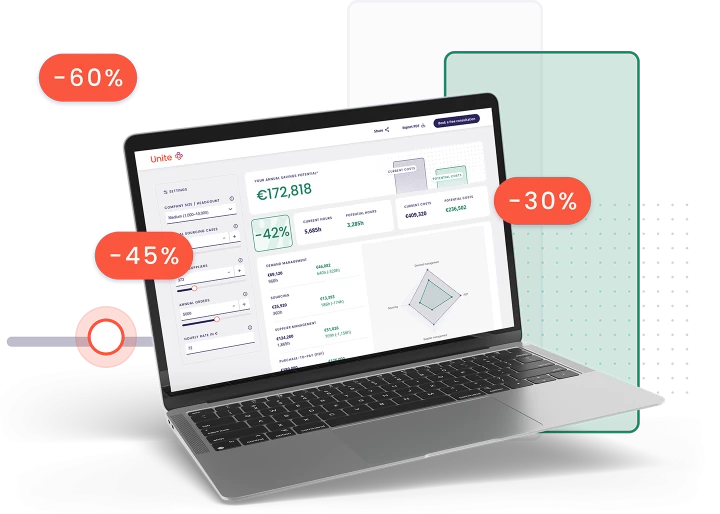
This gap between aspiration and execution is precisely what inspired us to develop a practical Process Cost Calculator. The tool directly addresses the challenges highlighted in the study and helps organisations quantify their savings potential with clarity and speed.

process cost calculator

Stop guessing. Start calculating.

Why insights from the
Process Cost Calculator matter

The Process Cost Calculator reveals more than raw numbers; it uncovers the operational inefficiencies and process gaps that determine how close your organisation is to achieving procurement excellence. Understanding this concept is essential for turning your calculated savings potential into real, measurable impact.

Procurement excellence is the strategic optimisation of all procurement processes to increase value creation and secure sustainable competitive advantage. It goes far beyond operational buying and encompasses the continuous development of strategy, processes, technology, and organisational maturity.

Its goals are to:
• Reduce costs in a measurable way
• Systematically minimise risks
• Strengthen supplier relationships
• Increase transparency
• Position procurement as a true strategic value driver

However, many companies still rely on fragmented tools, manual routines and isolated data silos. As a result, the foundations for true procurement excellence remain largely underused.

Achieving excellence requires a fully digital, integrated end-to-end process, from demand management to sourcing, supplier management and purchase-to-pay (P2P). This is where both the study findings and digital solutions, such as Unite, reveal the most significant opportunities.

Demand management:
building transparency and control

Every optimisation journey begins with solid spend analysis, but analysis only adds value when all procurement data is collected centrally. Many organisations struggle with this because their data is dispersed across tools, portals and departmental silos.

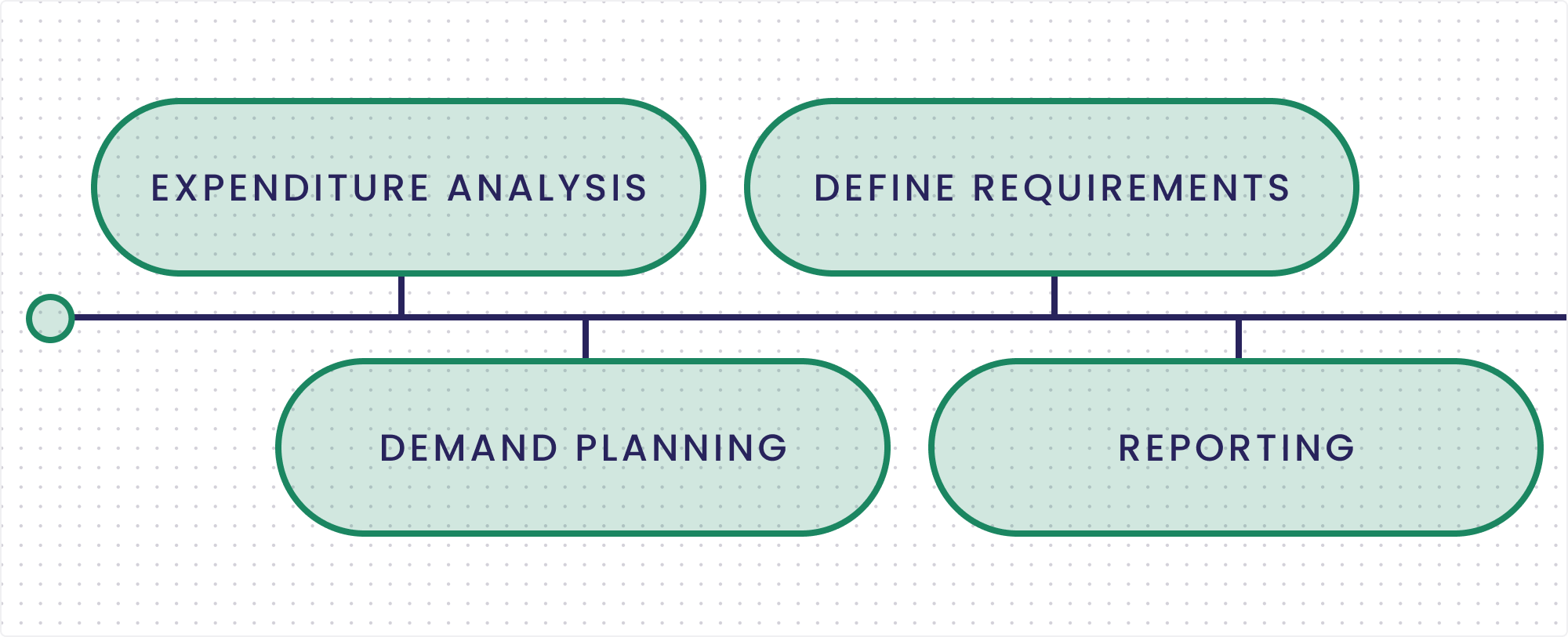
Steps in Demand Management: expenditure analysis, demand planning, define requirements, reporting

A central digital system through which all orders flow enables organisations to:
• Achieve full spend visibility
• Ensure price transparency and benchmarking
• Categorise and manage demand effectively
• Simplify planning, reporting and compliance

This level of transparency lays the groundwork for strategic decision-making.

With Unite, organisations also gain data-based insights into their framework catalogues and spend, along with expert consulting for additional savings. Better demand management also reduces unnecessary sourcing cases, directly lightening the workload for procurement teams.

Sourcing:
fewer projects, maximum impact

Sourcing projects are essential, but they are also time and cost intensive. The study highlights that each sourcing case requires significant effort across demand clarification, supplier research, price and risk assessment, qualification and approval.

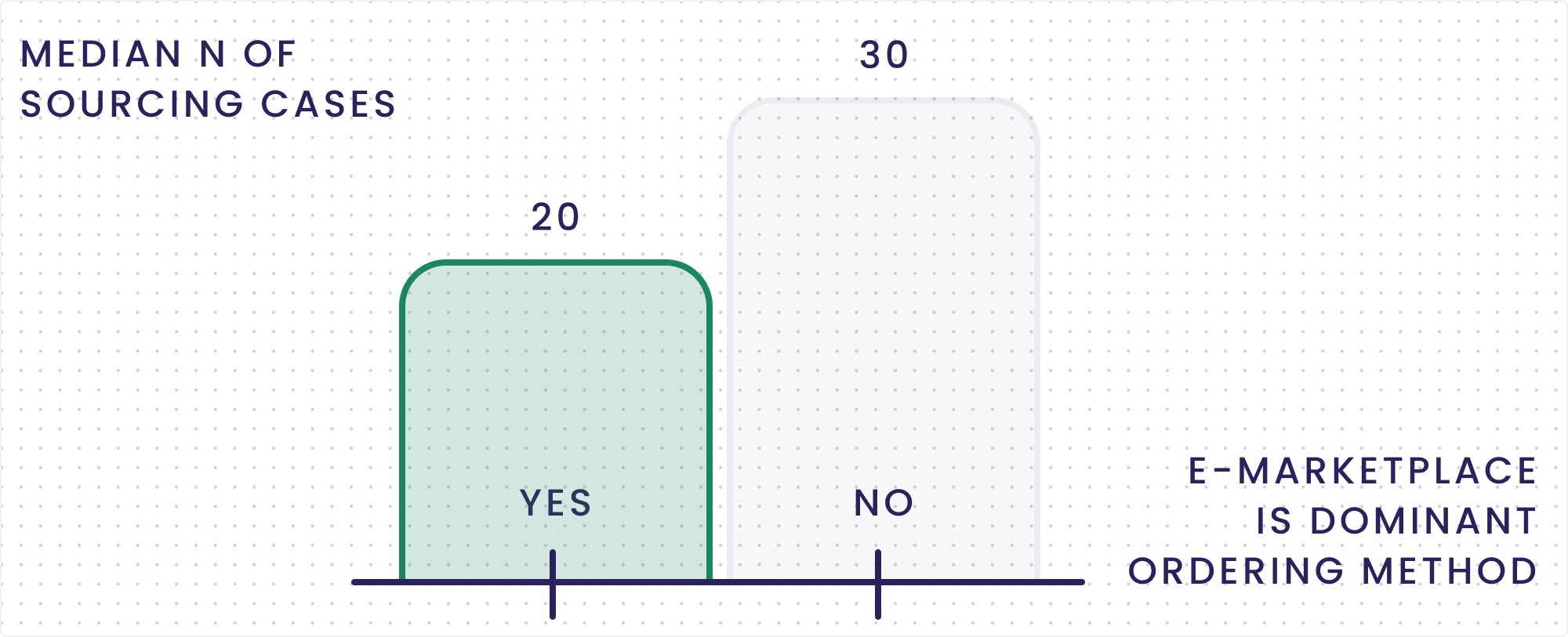
A key insight from the research: using a digital marketplace like Unite reduces sourcing cases by one-third.

an e-marketplace can reduce sourcing cases by one third
An e-marketplace can reduce sourcing cases by one third.

Why? Unite’s marketplace for indirect, catalogue-based procurement combines the scale and efficiency of a compliant marketplace with procurement services that drive measurable performance, build trust and resilience.

Procurement teams gain capability and control, transforming purchasing data into actionable insights for savings, sustainability, and compliance all within vetted European supplier networks and audit-ready processes.

This leads to:
• Measurable workload reduction
• Lower operational burden on procurement
• More capacity for strategic initiatives

Contact sales

Speak with one of our experts to explore your optimisation potential in detail.

Supplier management:
from complexity to strategic focus

Supplier management is one of the most time-consuming areas of indirect procurement. According to the study, one actively managed supplier requires 13 hours of effort per year, and large organisations typically manage around 800 indirect suppliers.

Using a marketplace can reduce the number of actively managed suppliers significantly.

Using a marketplace like Unite enables companies to reduce the number of actively managed suppliers by more than 60%. Unite manages relationships with over 1,000 vetted European suppliers, ensuring supply chain resilience while reducing administrative burden.

Many organisations effectively reduce their indirect supplier base to one: Unite. Their own framework suppliers are also integrated into the same system and remain fully accessible. Regular performance reviews provide further optimisation opportunities.

Purchase-to-Pay (P2P):
efficiency gains through digitalisation

The P2P process involves item search, order creation, goods receipt, inspection, invoicing and payment. In many organisations, these steps remain largely manual, with more than 50% of work still routed through procurement’s desk.

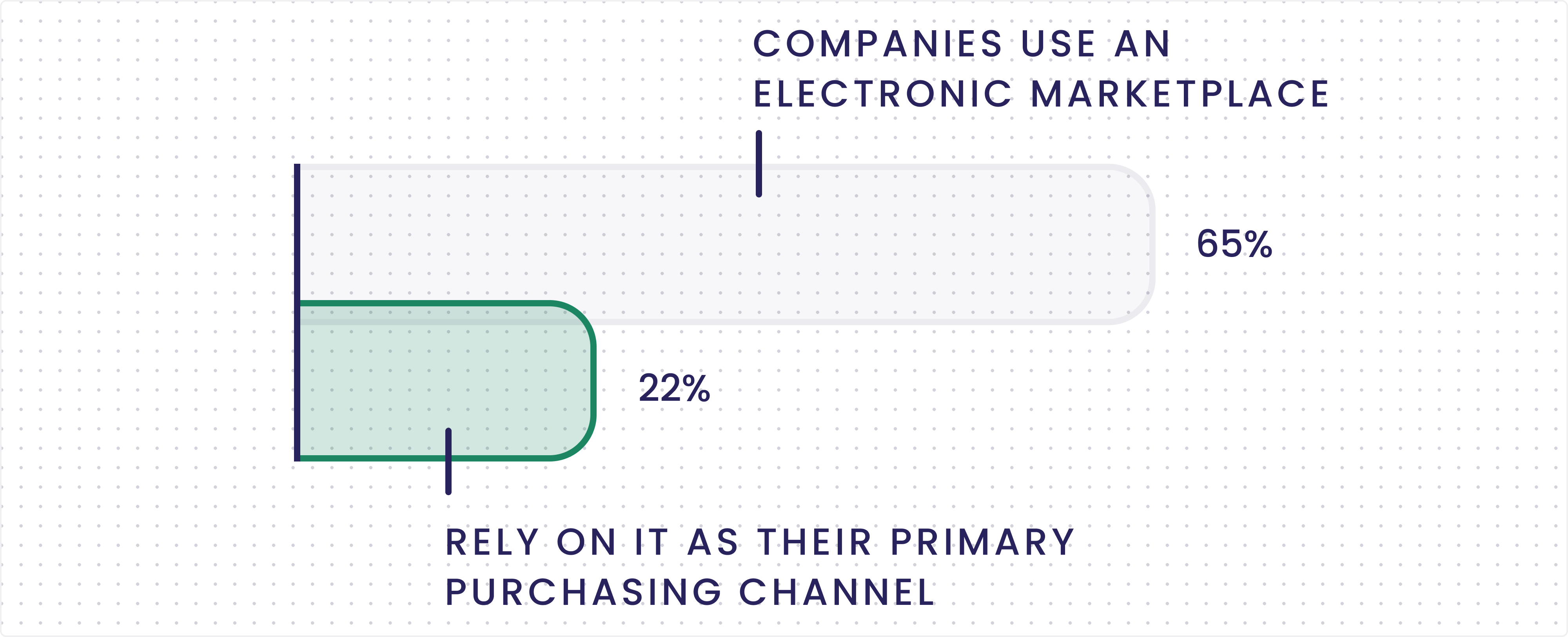
65% of companies using an electronic marketplace.

Using an electronic marketplace reduces P2P process costs by more than 30%. End users can place their orders digitally, independently and compliantly without high-level intervention. Procurement sets policies and compliance parameters; the system does the rest.

This creates a true no-touch process that delivers significant efficiency gains, particularly for organisations processing thousands of orders per year.

Additional benefits include:

  • Reduction of free-text orders

  • Near elimination of maverick buying

  • Shorter throughput times

  • Audit-ready documentation with EU standard (EN16931-compliant) e-invoicing

Interestingly, while 65% of companies use an electronic marketplace, only 22% rely on it as their primary purchasing channel, one of the biggest untapped opportunities identified in the study.

Achieving procurement excellence across indirect spend

The findings are clear: With Unite, combining a compliant marketplace with expert-led procurement services, organisations can achieve substantial savings across the entire indirect procurement cycle, from demand management through to P2P.

More importantly, Unite relieves procurement teams of operational tasks that limit strategic progress. This allows procurement to focus on the activities that truly drive business value: risk management, supplier strategies, sustainability, innovation, performance and cost control.

Procurement excellence begins with data transparency, process simplification, compliance and genuine end-to-end digitalisation. This is precisely where Unite delivers the greatest impact.

contact sales

Would you like to know more about optimising your procurement processes with Unite?